
Films with big ideas
- Arrival 2016
- The Matrix 1999
- The Truman Show 1998
- Groundhog Day 1993
- Blade Runner 1982
- 2001: A Space Odyssey 1968
- The Seventh Seal 1957
Resources
We meet seniors where they are: in the senior centers they already visit, on the video calls that reach them at home, and through resources that are free for anyone, anywhere.
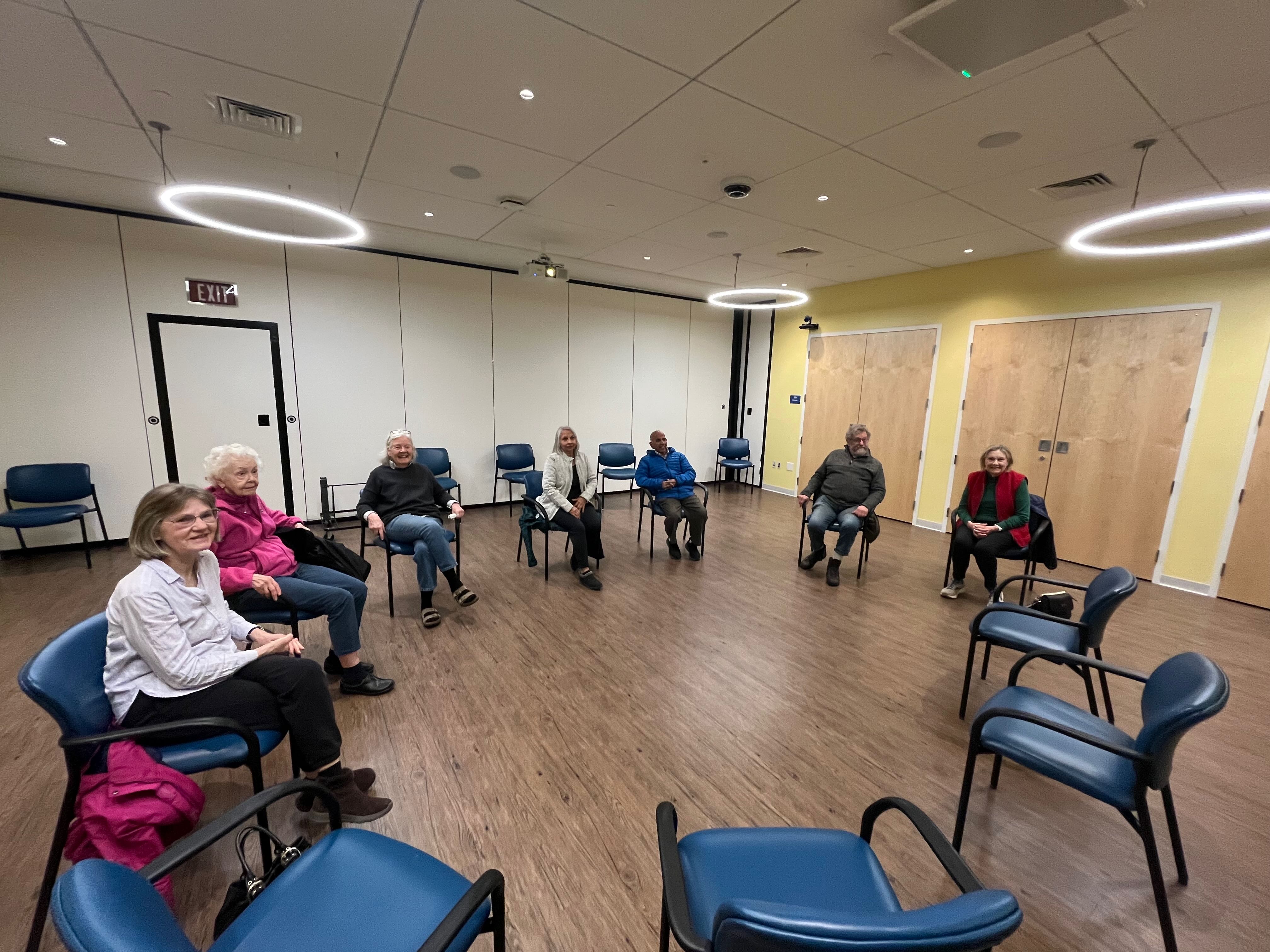
In person
We partner with municipal senior centers across Massachusetts to host live presentations and guided discussion events. Sessions are designed with college philosophy professors and led with care. Everyone is welcome regardless of experience!
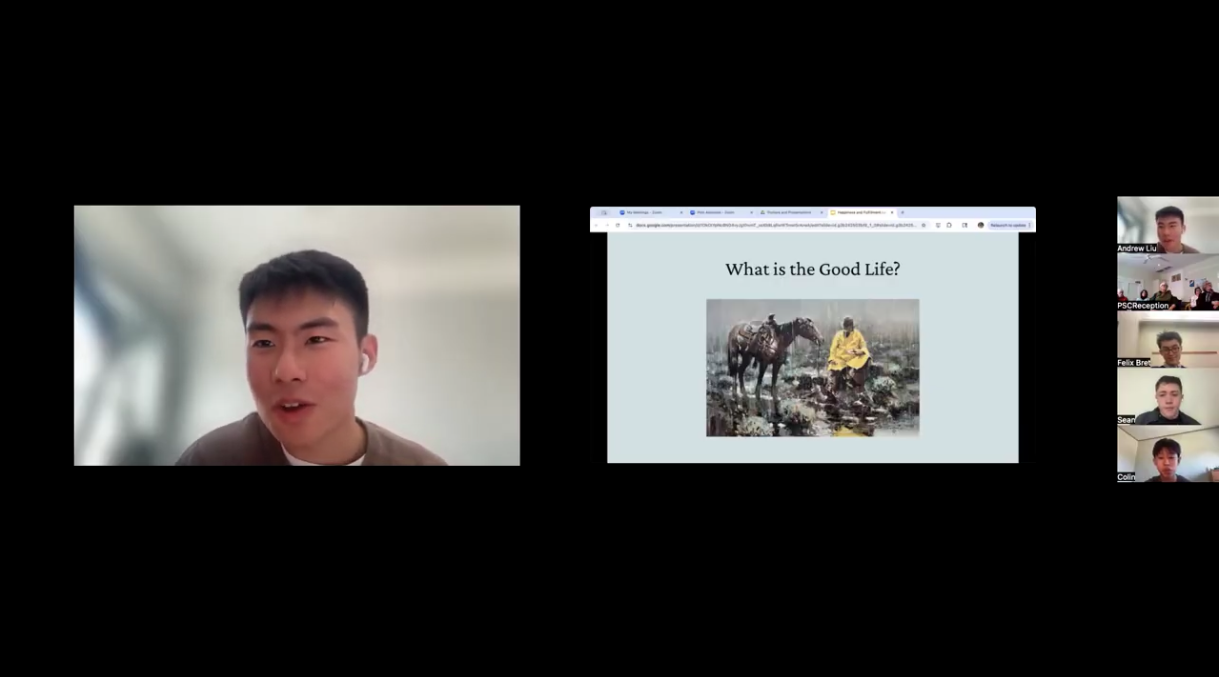
Online & live
For seniors we can't reach in person, we host live virtual meetings. These are intergenerational conversations that connect older adults with students through our philosophy curriculum.

Free for all
A growing, free online guide so seniors everywhere can learn the subject we love. We have curated starter readings, discussion prompts, writing exercises, and ready-to-run activities for family or community groups.
Explore the three pillarsThe practice
Every OMNIA program is built on the same three habits anyone can keep, at a center, on a call, or alone at the kitchen table.
 i.
i.
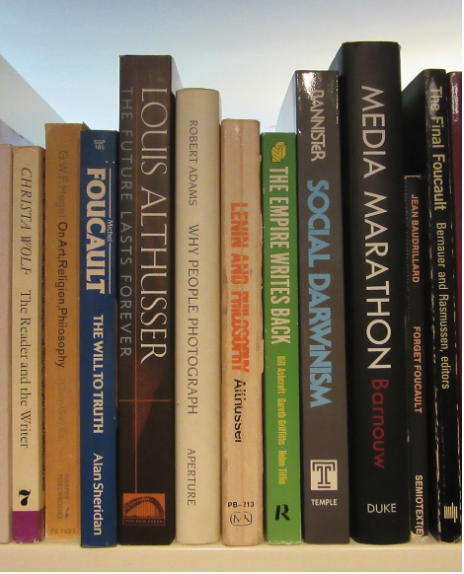
As long as you can read, you can practice philosophy. We start with short, welcoming texts. Don't worry about understanding every paragraph, the goal is to find the author's bigger argument by the end.
 ii.
ii.
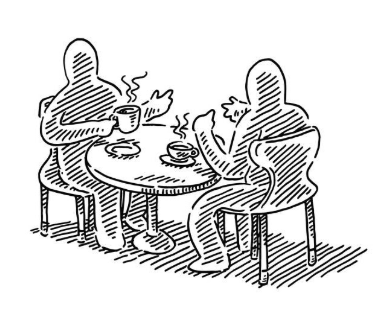
The other half of philosophy is talking about it. Discussing difficult ideas sharpens your own thinking and builds the patience to truly hear someone else. You don't have to be a professional to have a perspective on right, wrong, or happiness.
01 What does a meaningful life mean to you?
02 Do you think that people can completely change who they are?
03 Which should be more important: our happiness, or helping others be happier?
04 Is it ever okay to lie? If yes, when?
05 Are intentions more important than outcomes?
06 Does fairness equate to justice?
07 Should people be held responsible for things they didn't know were harmful?
08 Do you trust your senses or do you believe they might lead you astray?
09 Can two people disagree and both be right?
10 If everyone around you believed a falsehood, how would you know?
 iii.
iii.
Writing is formalized thinking. Even journaling a few lines on a question forces you to synthesize what you believe. Our trick: use pen and paper, spill your ideas onto the page, and see where your thoughts lead you.
Try this
"Write for ten minutes, by hand, on a single question — and don't stop to edit."
More ways in
Philosophy doesn't always start with a book. Sometimes it starts with a movie night or a single good question over coffee.
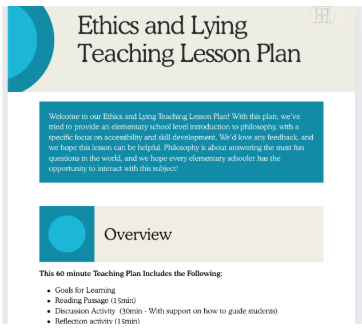
"Ethics & Lying" — a complete discussion kit with a short reading, conversation instructions, and guidance for moderating a group. Perfect for a center or a family table.
Download the kit →
For senior centers & partners
We handle the materials, the facilitators, and the philosophy. You bring the room and the people. Let's start a conversation.